





Same science as meditation. Way more fun.
Rhythmic breathing or rhythmic tapping
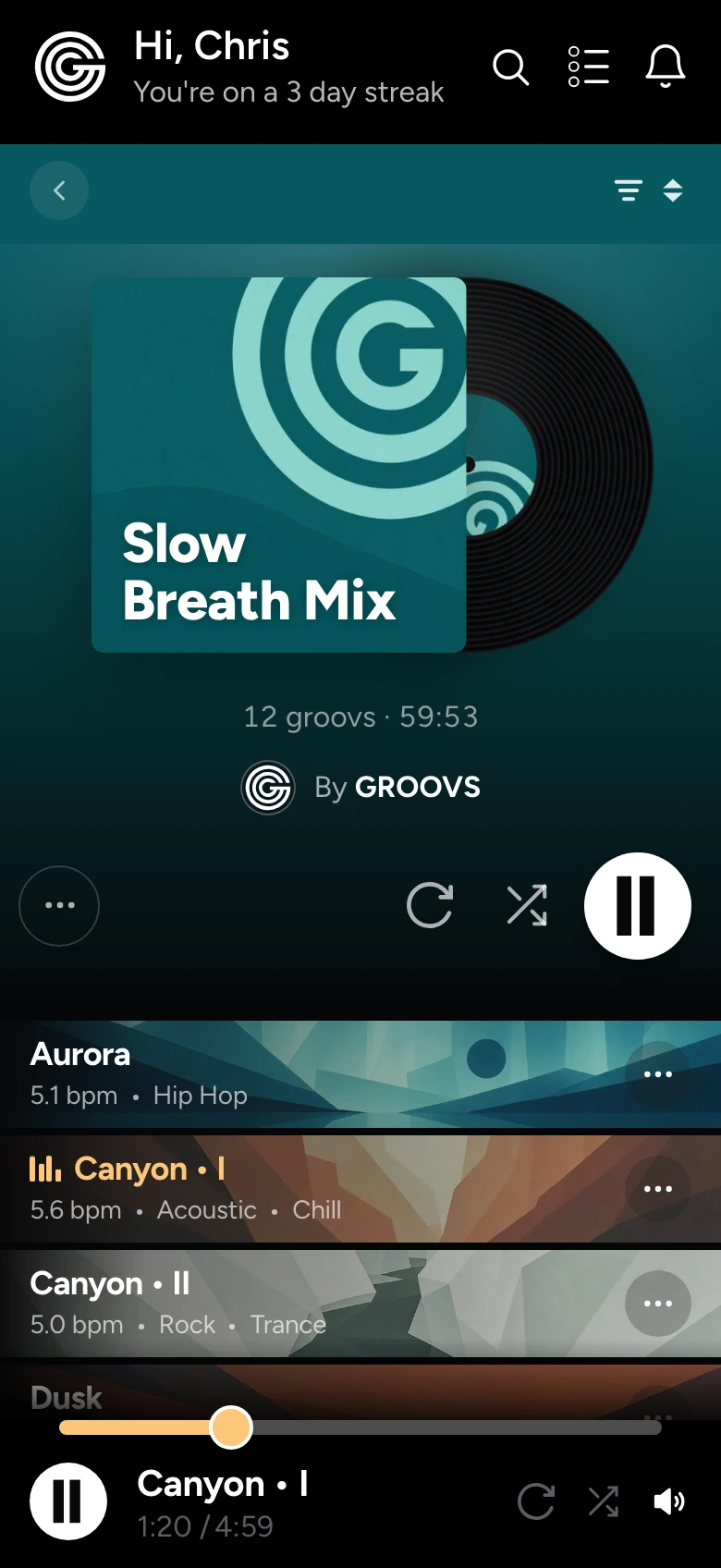
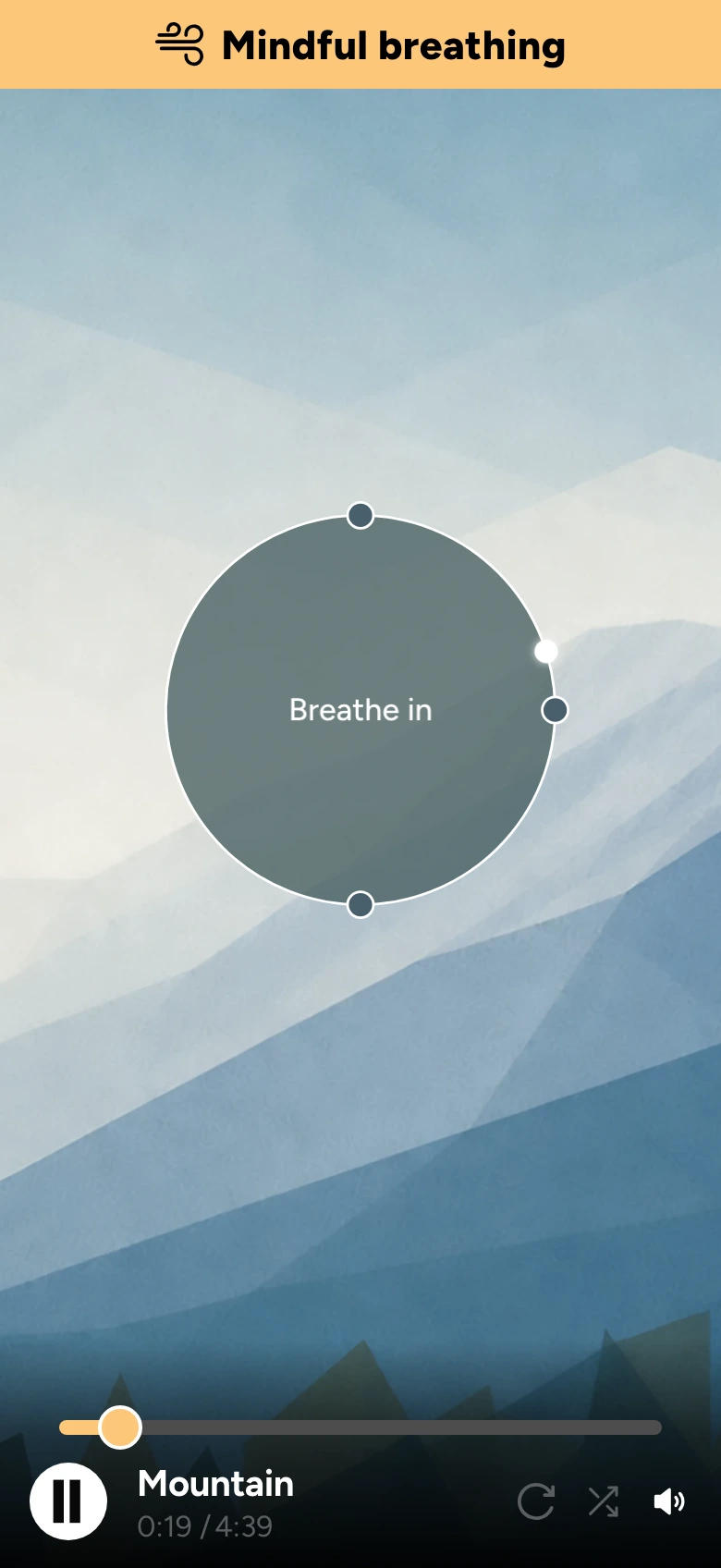
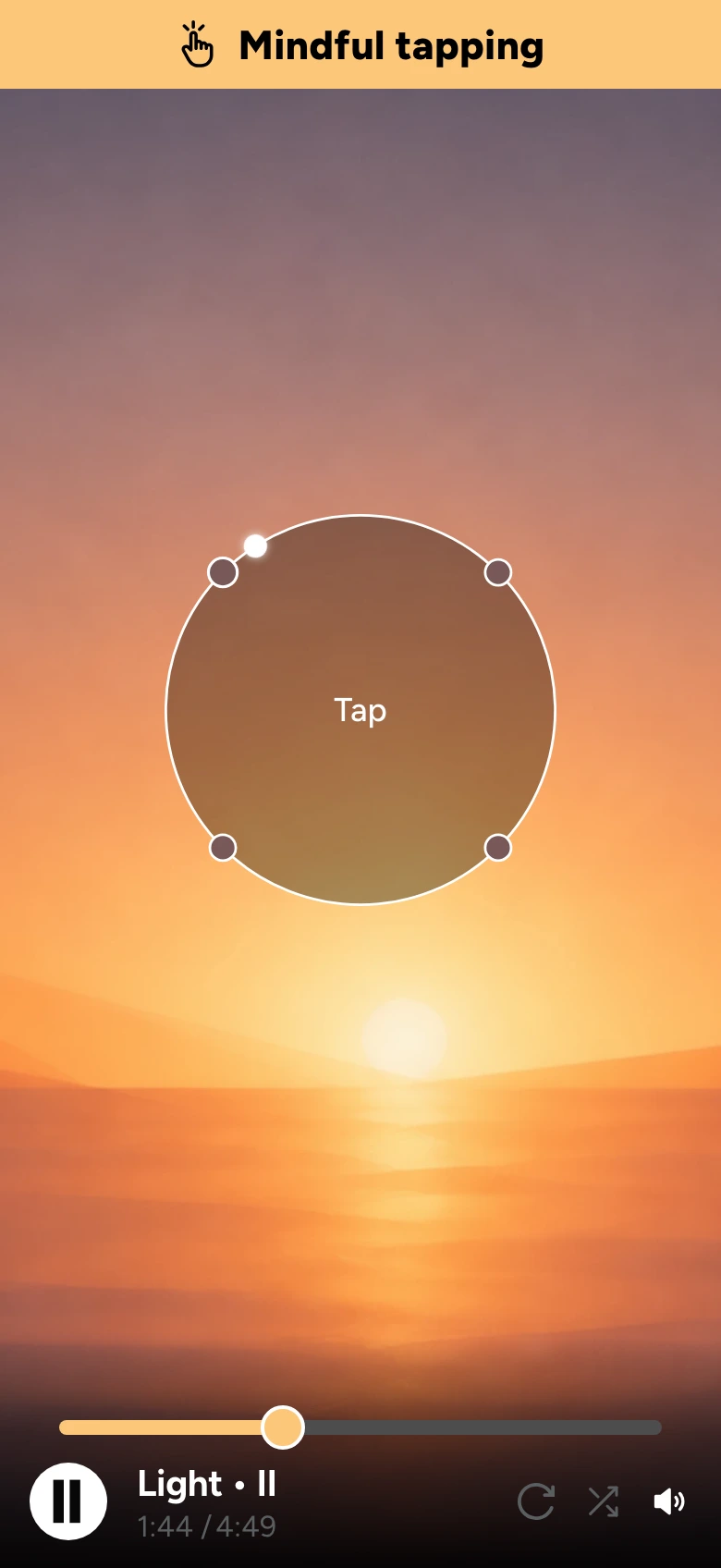
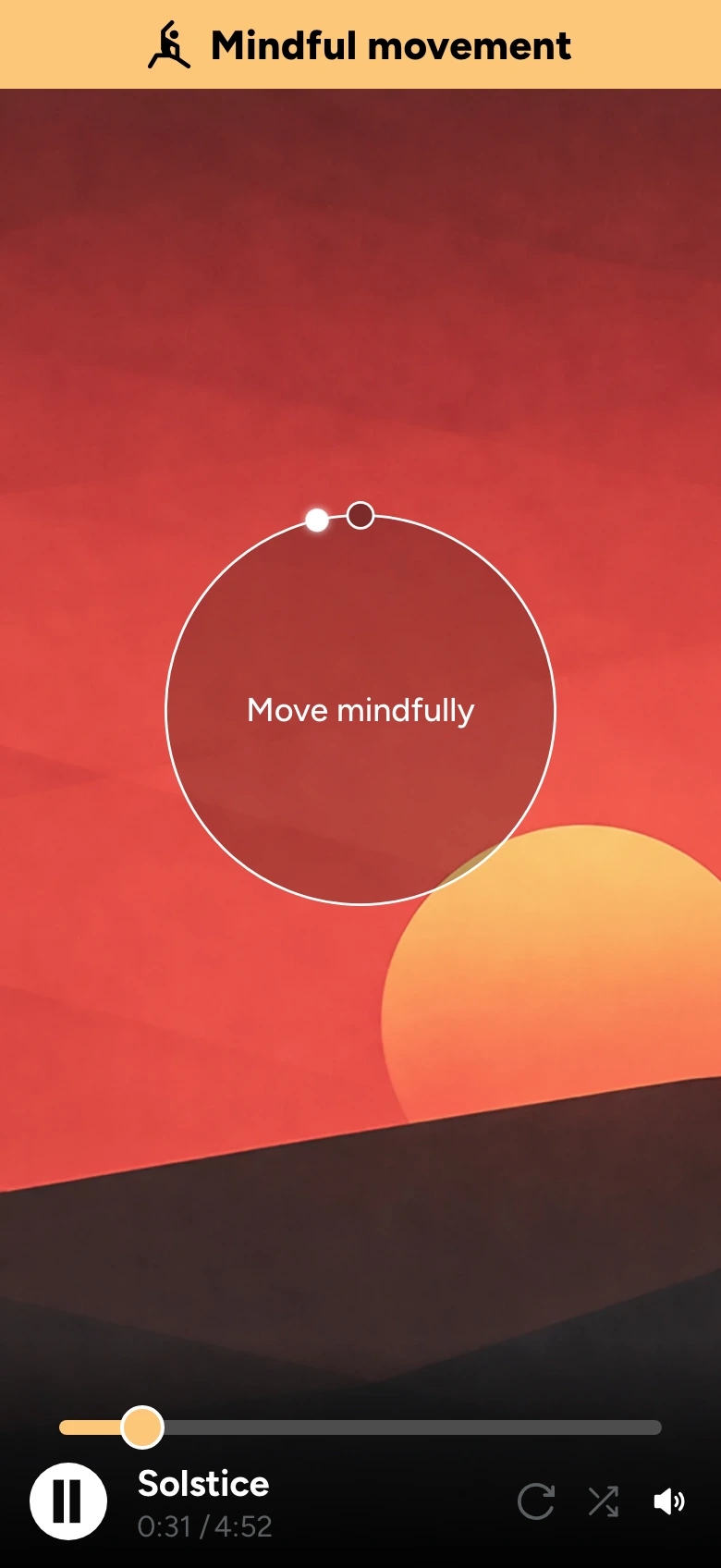
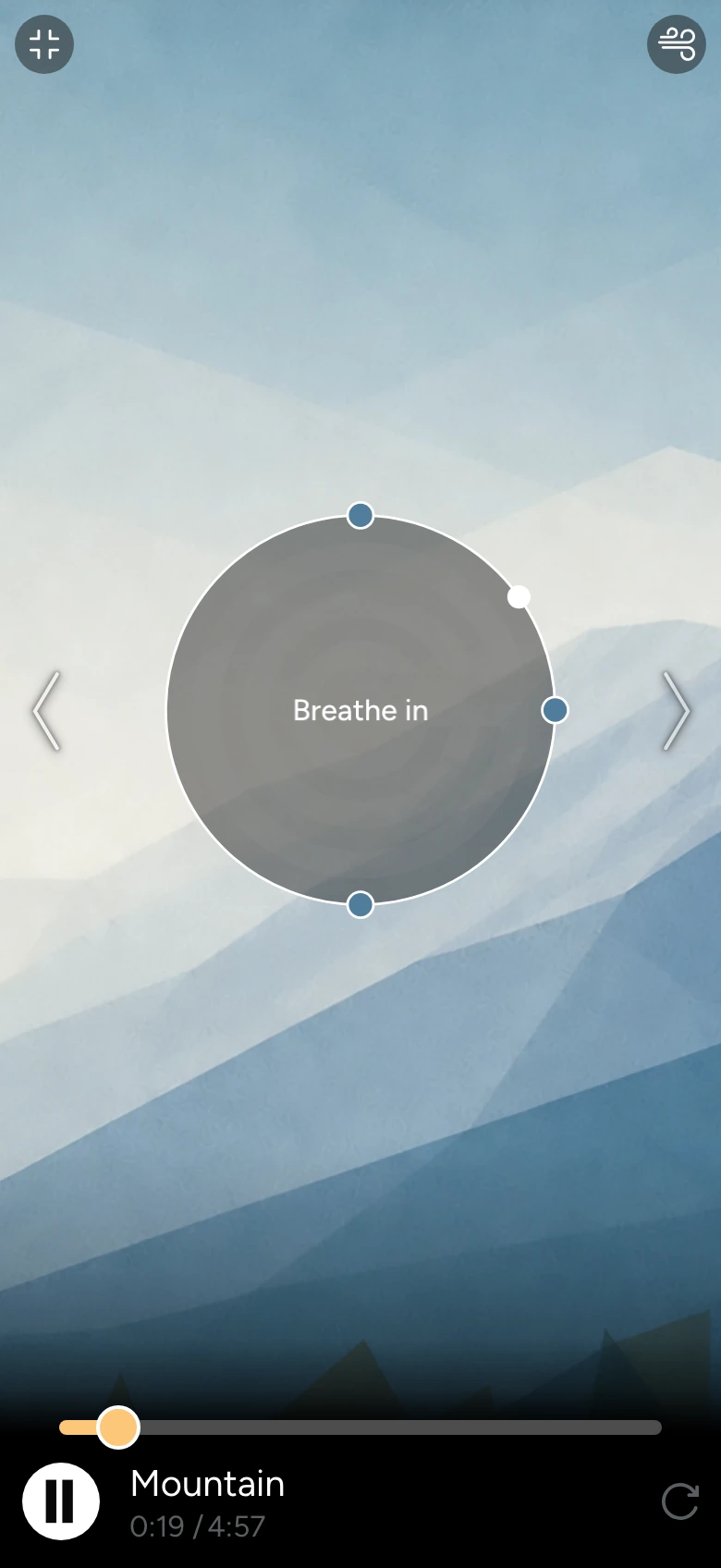
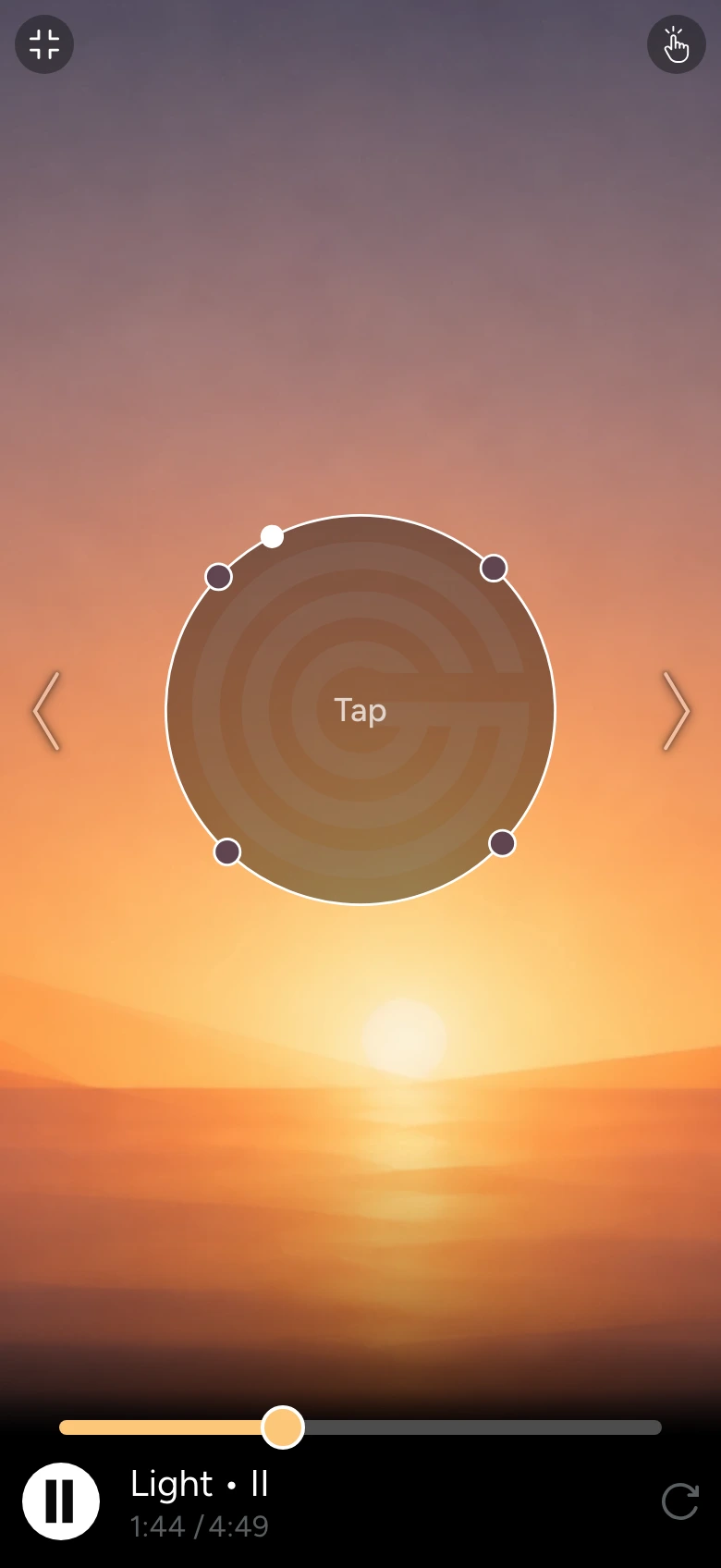
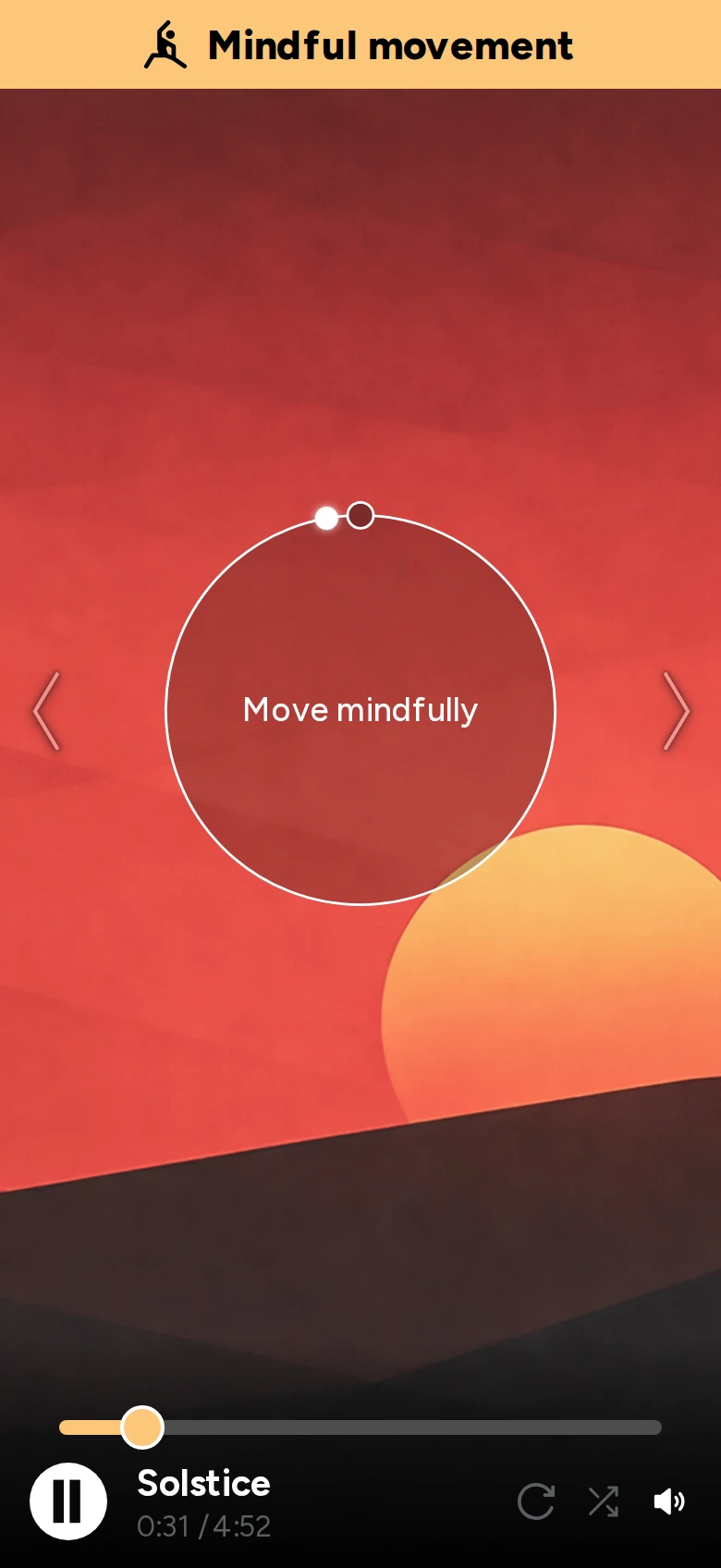
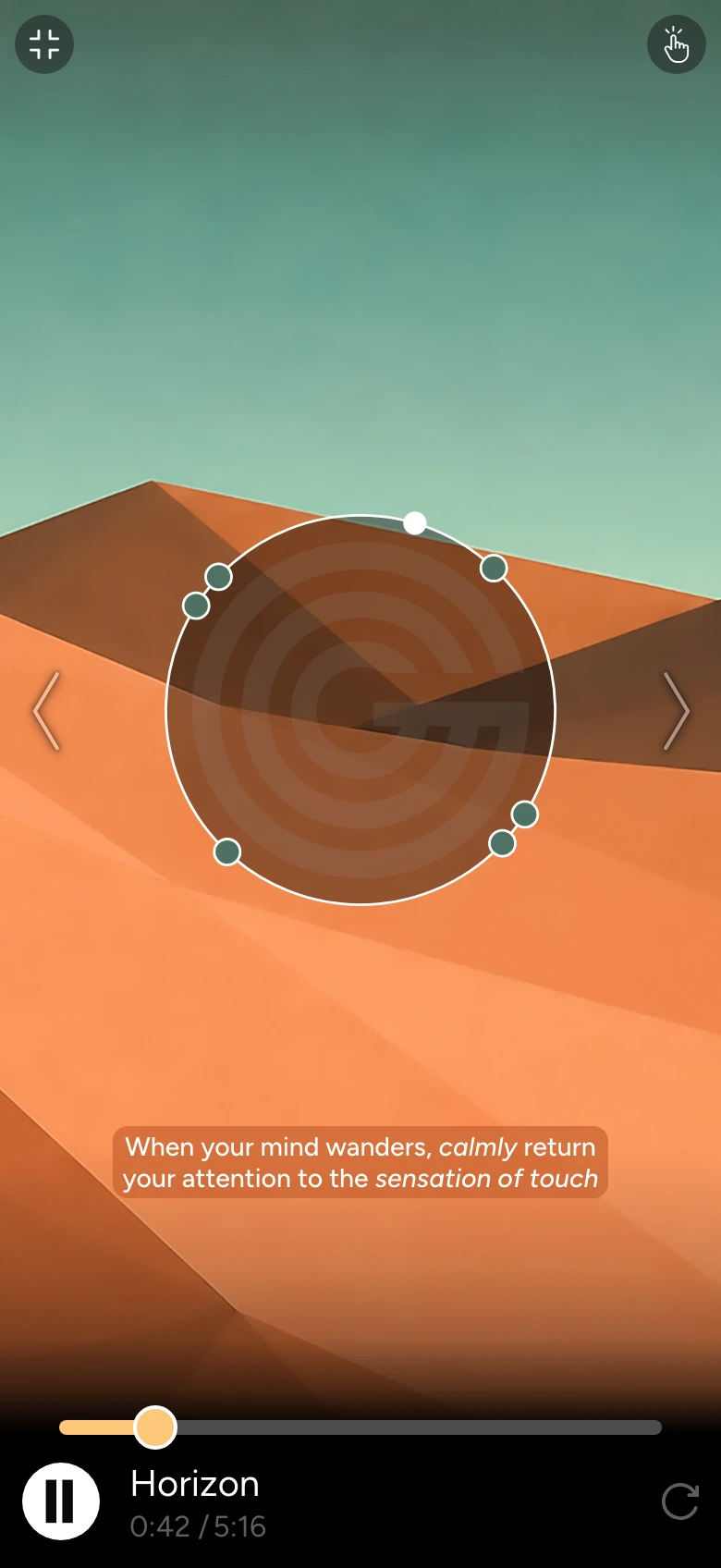
Breathing mode syncs your breath to the rhythm. Tapping mode syncs a gentle movement to the beat. Not on the screen, on your body. A finger on your leg, a quiet tap of your foot. Something you already do when listening to music, just with more intention.
Music made by humans, for humans.
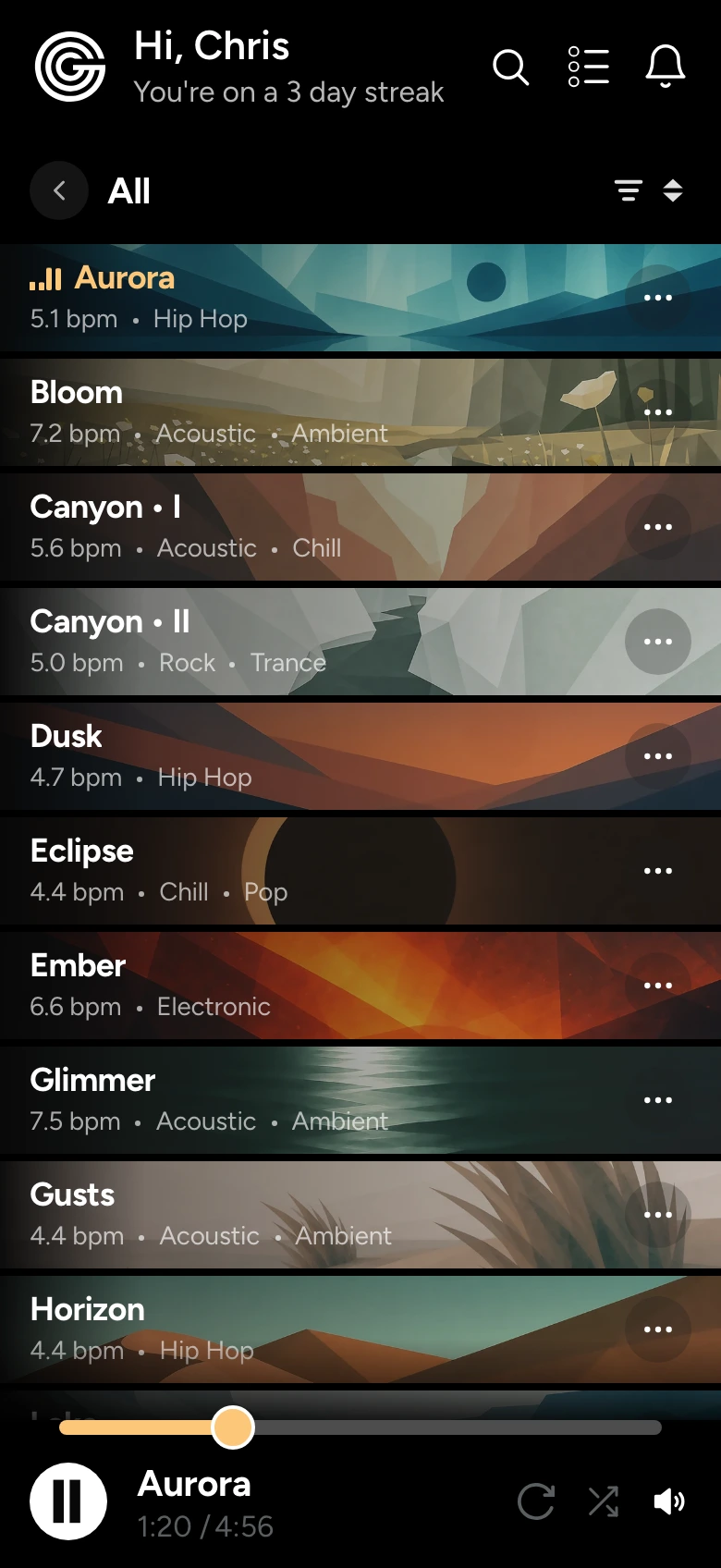
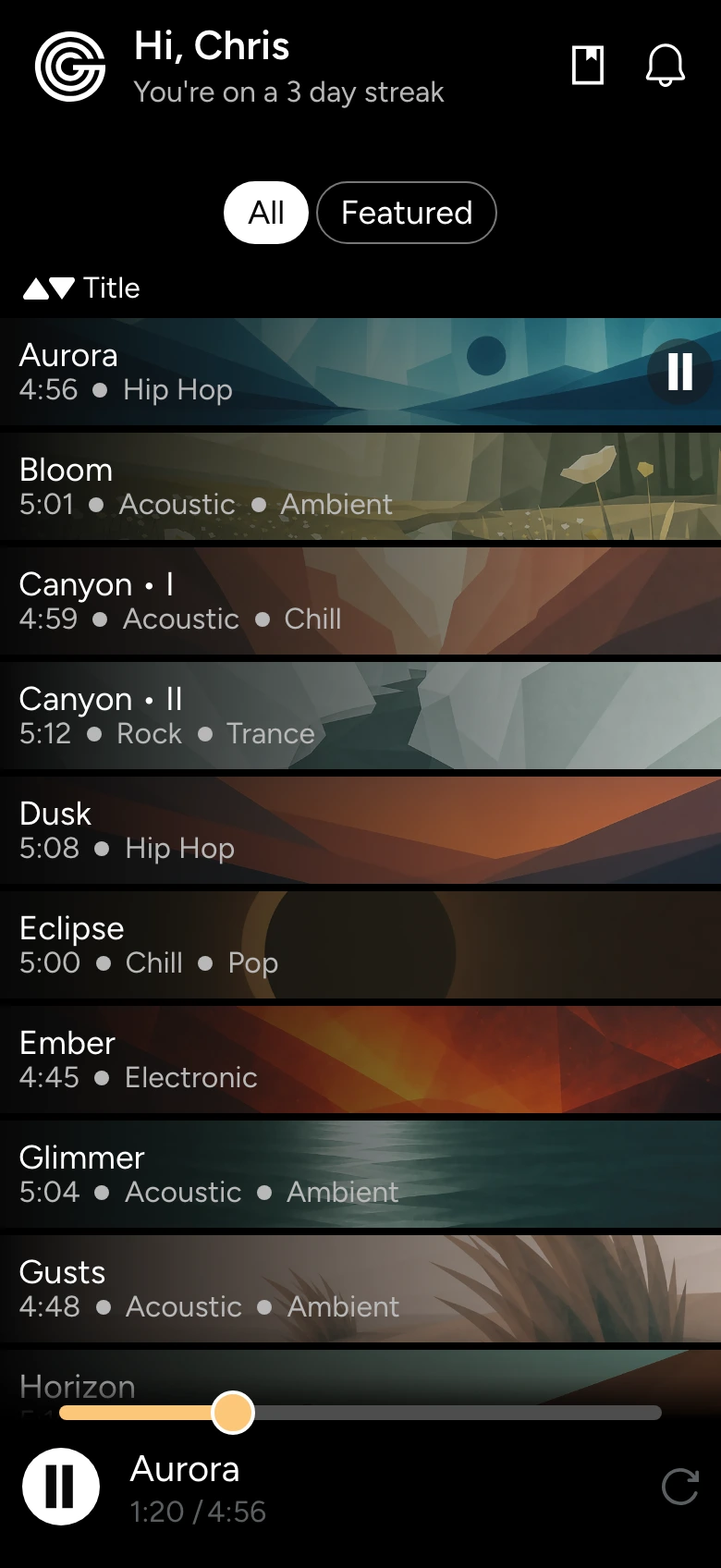
Discover GROOVS across genres: hip hop, acoustic, electronic, world, and more to come. Every GROOV is originally composed by real musicians with repeating rhythms and harmonies designed to encourage your mind to wander, so you can practice bringing it back.
Focus → Wander → Refocus → Repeat
Your mind will wander. That's not a problem, that's the point. Every time you notice and calmly return, you're building the skill that keeps you cool and focused under pressure.
A walkthrough of the app and the goal of the training.
GROOVS is a music-based attention training app. Instead of sitting quietly, you train your focus through rhythmic breathing or tapping, using music as the engagement vehicle.
Anyone whose performance suffers when their head gets in the way. The musician before the show. The athlete in the moment. The executive under pressure. The creative chasing flow.
Nobody eliminates mental interference. The people who perform best under pressure just get better at noticing and refocusing. That's the skill. That's what you're building.
Curious about the research behind it? Explore the science →
If that works better for you, absolutely. But if sitting still makes you restless, GROOVS might be your thing.
Yes. A free account unlocks the core GROOVS™ library. Premium and VIP plans unlock the full library and more.
No. GROOVS runs entirely in your browser on mobile or desktop. No app store, no install.
A free account unlocks the core GROOVS™ library. Click here to register →
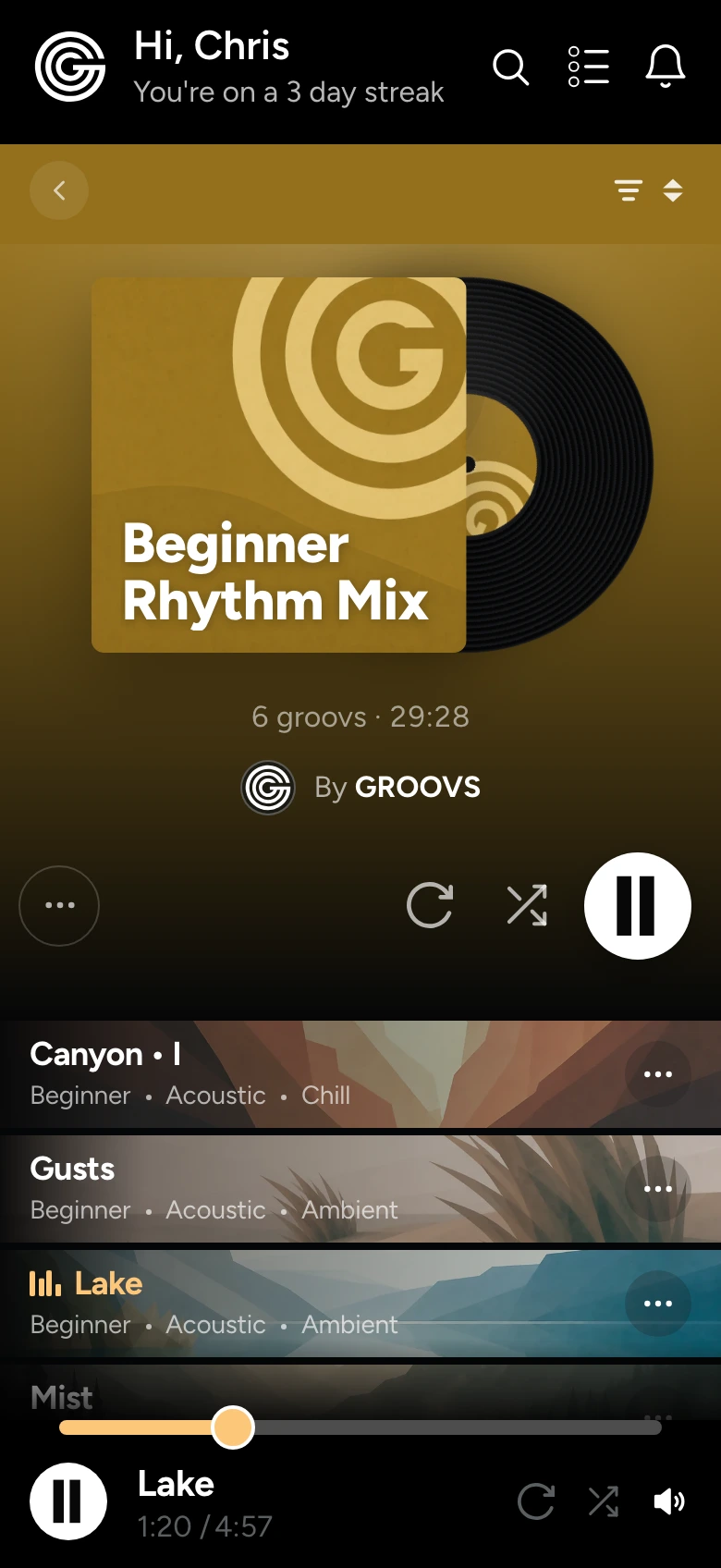
Pick a GROOV. Choose breathing or tapping mode. Then train. The whole thing takes 5 minutes. Focus, wander, notice, return. That's a rep. Repeat.
Yes. GROOVS is a web app that works on any device: mobile, tablet, or desktop. A native app is on the roadmap but our first priority was making sure everyone could access it, regardless of device.
Most people notice something in their first few sessions: a quieter mind, a feeling of reset. Measurable changes in attention build over weeks of consistent practice. Think of it like fitness: the daily compound effect matters more than any single session.
The research suggests 13 minutes daily works best. But we're not robots. Do what you can, when you can. Consistency beats perfection every time.
Hip hop. Electronic. Acoustic. R&B. World. Rock. More coming. Every GROOV is originally composed with repeating rhythms and harmonies designed to train your mind. We're building a library that sounds like your playlist, not a spa.
Yes, we plan to add new GROOVS regularly. We're just getting started.
Have an idea for a GROOV? Send us a request →
The music is 100% human-made, written, performed, and produced by real musicians. We do use AI to help run other parts of the product and business more efficiently, so we can focus more resources on supporting the musicians who make GROOVS sound the way it does.
The goal isn't a quiet mind. It's noticing, quickly, when your attention drifts, and gently bringing it back. Every refocus is a rep.
The skill being built (attention regulation) is the same; the path (rhythmic music vs silence) is different. If silent practice works for you, stick with it. GROOVS is for people who find sitting still harder than focusing on something.
Silence puts the whole burden on you. Music gives your attention a rhythm to anchor to. Engaging enough to keep you with it, simple enough to leave room for the training to happen underneath.
Attention is a skill, not a fixed trait. Studies show measurable changes in focus and mind-wandering with regular practice. It's like fitness for what you pay attention to.
Not directly. What it builds is faster noticing and gentler refocusing, useful when you're under pressure. Many people find that translates to feeling more in control. Calm is often a side effect, not the goal.
Breathing mode anchors your attention to the rhythm of your breath, guided by the moving dot. Tapping mode anchors to the rhythm of your finger or foot tapping. Same training, different on-ramp.
Whichever feels less effortful. Breathing is the most common starting point. If you find yourself fighting the breath, switch to tapping.
The single thing you're paying attention to during a session: the air through your nose, the sound of the music, the feeling of your tap, or the visual rhythm of the dots. One thing at a time.
No. That's the training. Your mind wandering is normal. Noticing it and returning to your point of focus. Wandering more isn't failing; refocusing is the win.
Optional. Closing your eyes amplifies the training because there's nothing visual to fall back on. Most people work up to it after a few sessions with eyes open.
If you keep returning your attention when it wanders, you're doing it right. There's no perfect session. The practice compounds over time, not within any single session.
GROOVS combines five evidence-backed techniques into one practice: focused awareness training, open awareness training, rhythmic breathing, rhythmic tapping, and music-driven engagement. Each has published peer-reviewed research behind it. The combination is novel.
Explore the Science →GROOVS is a music-based attention training app. Instead of sitting quietly, you train your focus through rhythmic breathing or tapping, using music as the engagement vehicle.
Anyone whose performance suffers when their head gets in the way. The musician before the show. The athlete in the moment. The executive under pressure. The creative chasing flow.
Nobody eliminates mental interference. The people who perform best under pressure just get better at noticing and refocusing. That's the skill. That's what you're building.
Curious about the research behind it? Explore the science →
If that works better for you, absolutely. But if sitting still makes you restless, GROOVS might be your thing.
Same science as meditation. Way more fun.
No download required · Runs in your browser
GROOVS is a music-based attention training app. Instead of sitting quietly, you train your focus through rhythmic breathing or tapping, using music as the engagement vehicle.
Anyone whose performance suffers when their head gets in the way. The musician before the show. The athlete in the moment. The executive under pressure. The creative chasing flow.
Nobody eliminates mental interference. The people who perform best under pressure just get better at noticing and refocusing. That's the skill. That's what you're building.
Curious about the research behind it? Explore the science →
If that works better for you, absolutely. But if sitting still makes you restless, GROOVS might be your thing.
Yes. A free account unlocks the core GROOVS™ library. Premium and VIP plans unlock the full library and more.
No. GROOVS runs entirely in your browser on mobile or desktop. No app store, no install.
A free account unlocks the core GROOVS™ library. Click here to register →
Pick a GROOV. Choose breathing or tapping mode. Then train. The whole thing takes 5 minutes. Focus, wander, notice, return. That's a rep. Repeat.
Yes. GROOVS is a web app that works on any device: mobile, tablet, or desktop. A native app is on the roadmap but our first priority was making sure everyone could access it, regardless of device.
Most people notice something in their first few sessions: a quieter mind, a feeling of reset. Measurable changes in attention build over weeks of consistent practice. Think of it like fitness: the daily compound effect matters more than any single session.
The research suggests 13 minutes daily works best. But we're not robots. Do what you can, when you can. Consistency beats perfection every time.
Hip hop. Electronic. Acoustic. R&B. World. Rock. More coming. Every GROOV is originally composed with repeating rhythms and harmonies designed to train your mind. We're building a library that sounds like your playlist, not a spa.
Yes, we plan to add new GROOVS regularly. We're just getting started.
Have an idea for a GROOV? Send us a request →
The music is 100% human-made, written, performed, and produced by real musicians. We do use AI to help run other parts of the product and business more efficiently, so we can focus more resources on supporting the musicians who make GROOVS sound the way it does.
The goal isn't a quiet mind. It's noticing, quickly, when your attention drifts, and gently bringing it back. Every refocus is a rep.
The skill being built (attention regulation) is the same; the path (rhythmic music vs silence) is different. If silent practice works for you, stick with it. GROOVS is for people who find sitting still harder than focusing on something.
Silence puts the whole burden on you. Music gives your attention a rhythm to anchor to. Engaging enough to keep you with it, simple enough to leave room for the training to happen underneath.
Attention is a skill, not a fixed trait. Studies show measurable changes in focus and mind-wandering with regular practice. It's like fitness for what you pay attention to.
Not directly. What it builds is faster noticing and gentler refocusing, useful when you're under pressure. Many people find that translates to feeling more in control. Calm is often a side effect, not the goal.
Breathing mode anchors your attention to the rhythm of your breath, guided by the moving dot. Tapping mode anchors to the rhythm of your finger or foot tapping. Same training, different on-ramp.
Whichever feels less effortful. Breathing is the most common starting point. If you find yourself fighting the breath, switch to tapping.
The single thing you're paying attention to during a session: the air through your nose, the sound of the music, the feeling of your tap, or the visual rhythm of the dots. One thing at a time.
No. That's the training. Your mind wandering is normal. Noticing it and returning to your point of focus. Wandering more isn't failing; refocusing is the win.
Optional. Closing your eyes amplifies the training because there's nothing visual to fall back on. Most people work up to it after a few sessions with eyes open.
If you keep returning your attention when it wanders, you're doing it right. There's no perfect session. The practice compounds over time, not within any single session.
© 2025 GROOVS All rights reserved